Aagya Khatri on Jul 06, 2026
Reading Time: 6 Min
In today’s market, it’s the ultimate bottleneck. Every innovative product, surge in customer demand, security requirement, and ambitious growth plan ultimately runs through your engineering team. When that capacity is limited, everything slows down.
What if you could solve this challenge instantly, without the usual hiring headaches, high costs, or long ramp-up times?
Enter the Build-Operate-Transfer (BOT) model with a proven engineering partner in Nepal. You get a skilled, experienced team at highly competitive rates, built specifically for you. Your BOT partner handles recruitment, infrastructure, and day-to-day operations while you stay focused on your core business. Once the team is mature and fully aligned with your culture and standards, you take full ownership — turning it into your seamless captive center.
In this post, we’ll break down exactly how the BOT model works, why it’s becoming the smartest strategy for scaling engineering teams, and how it can give your company a truly competitive edge.
How is Nepal Emerging as the Promised BOT Center?
With a fast-growing pool of talented, English-speaking software engineers, competitive pricing, and strong cultural alignment, BOT centers in Nepal are delivering exceptional value without compromising quality.
Nepal boasts improved digital infrastructure and supportive government policies for the IT sector, creating an ideal, cost-effective environment for PE-backed companies seeking high-performing engineering teams at a fraction of the cost of in-house hiring, without long, complex contractual obligations.
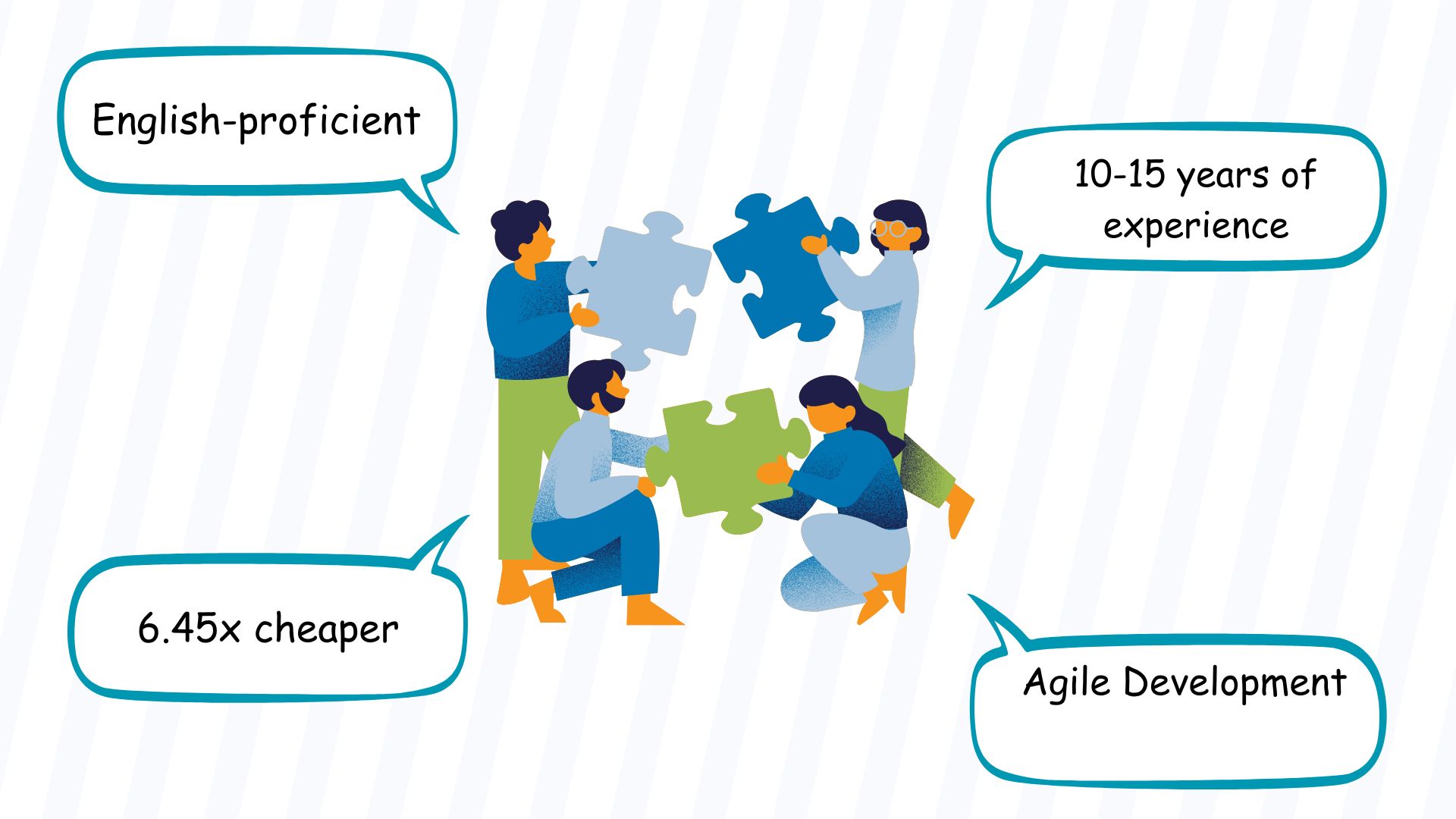
Companies are increasingly turning to Nepal to establish reliable, cost-effective captive centers that offer faster ramp-up times, lower attrition, and long-term ownership — making it a smarter alternative to traditional outsourcing hubs.
BOT Model or Traditional Outsourcing
The BOT model is not very different from outsourcing; instead, it offers a smarter middle path between traditional outsourcing and building an in-house team.
Unlike regular outsourcing, where you rent a team indefinitely and often face quality inconsistencies and vendor dependence, BOT lets you build a dedicated engineering center with expert support, oversee or participate in daily operations, and retain full ownership as your captive unit once it matures.
As previously mentioned, startups and PE-backed companies will benefit greatly from the BOT, given their need to scale more quickly within a stipulated budget and timeframe.
BOT gives these companies a faster way to start without creating permanent vendor dependencies.
1. Build Phase
The first important decision is team design. A company should plan with the strategy, “How can I build an engineering team that will be the best in the next two to three years?”
It means including the entire SDLC pipeline, coding standards, review rules, branching strategy, testing approach, deployment workflow, documentation format, access control, incident response, and communication rituals.
Once the goal is clear, the BOT partner can design the right team structure like this,
- Backend engineers to build business logic and APIs.
- Frontend engineers to create user-facing applications.
- Product designers to improve user experience.
- QA automation engineers to protect quality.
2. Operate Phase
At this stage, the team builds features, fixes bugs, improves systems, handles feedback, joins product discussions, and supports releases.
However, the company should also document the process and use shared governance.
- Product leaders from the company help define priorities.
- Engineering leaders review architecture and technical quality.
- Security teams check access, risk, and compliance.
- Delivery managers track progress, blockers, and release health.
- HR and finance prepare for the future transfer.
3. Transfer Phase
In this stage, the company takes full ownership of the team, processes, systems, documentation, and operational control.
A successful transfer begins on the first day of the BOT journey. The hiring choice, process decision, architecture review, and documentation habit should prepare the company to own the capability in the future.
The transferring phase has five layers.
- People transfer: It means the team becomes part of the company’s structure, with compensation, career paths, and retention plans.
- Technical transfer: It means source code, infrastructure, environments, architecture documents, deployment pipelines, test suites, monitoring tools, and security controls are fully understood.
- Operational transfer: It means planning, delivery management, reporting, incident response, vendor coordination, and ownership move into the company’s hands.
- Knowledge transfer: It means the company understands what was built and why decisions were made.
- Cultural transfer: It means the team feels like it belongs inside the company, not like it was moved from one contract to another.
How to Get the Most Out of a Remote Team
The BOT model can create long-term engineering ownership. However, it only works when the company treats it as a strategic model.
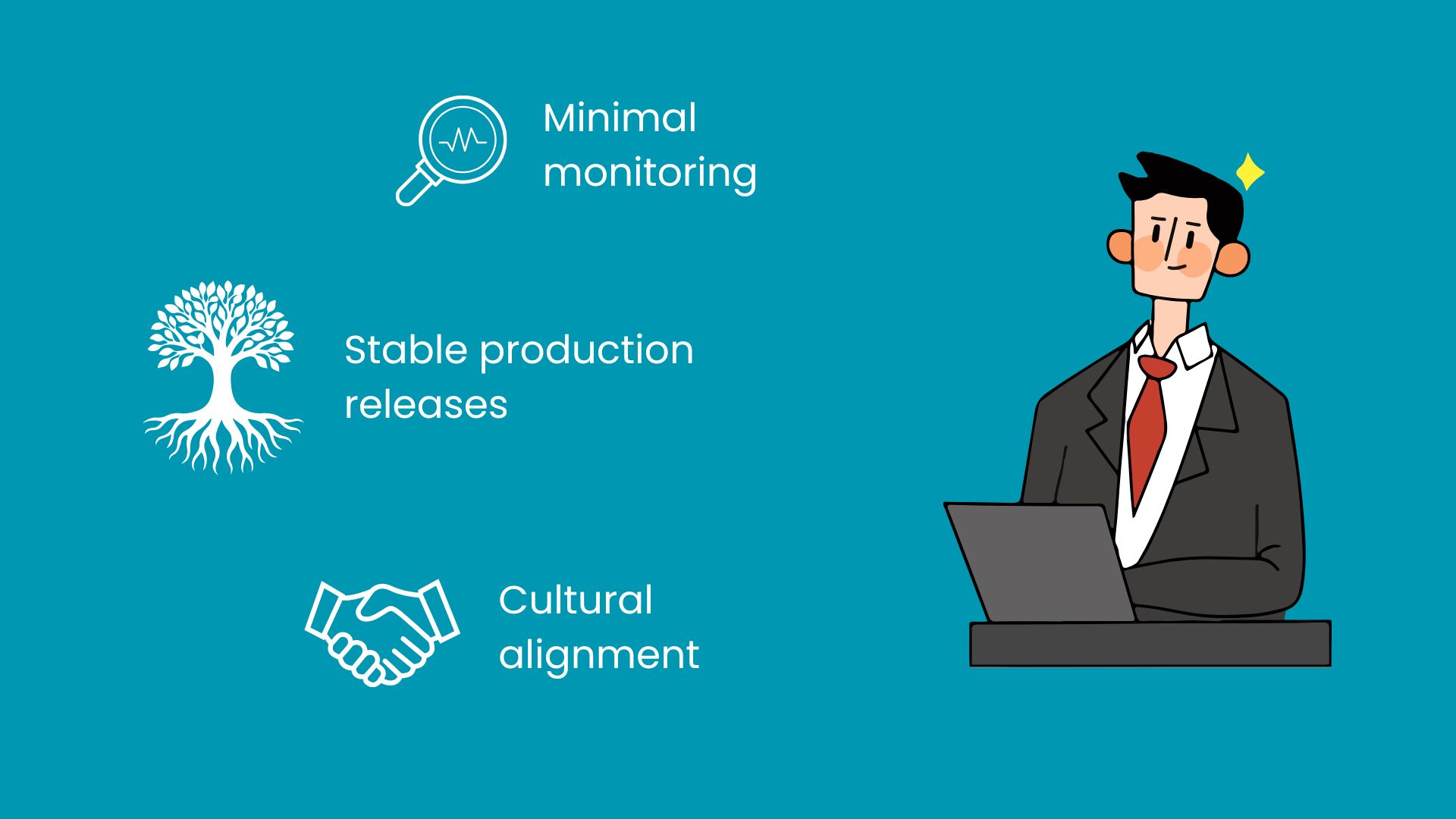
Also, since the model involves people, processes, systems, legal structure, and knowledge of ownership, even small gaps can create problems.
To make BOT successful, you should play a proactive role in addressing these challenges along the journey.
|
Aspect |
Description |
Example |
|
Ownership Goals |
The organization must clearly define what the BOT team will ultimately own — whether a platform, product, engineering function, or full delivery capacity. |
Owning a complete microservices-based product platform after 18–24 months. |
|
Internal Participation |
BOT requires active involvement from multiple departments (Product, Engineering, Security, HR, Finance, and Legal) from day one. |
Weekly syncs between your US Product team and the Nepal engineering team during the Build phase. |
|
Knowledge Transfer |
Documentation, architecture decisions, deployment processes, and tribal knowledge must be captured continuously, not just at the end. |
Maintain a living architecture decision record (ADR) and runbooks updated in real-time. |
|
Cultural Alignment |
The BOT team needs deep understanding of the company’s target market, communication style, product vision, and quality standards. |
Regular “vision & values” workshops and shadowing sessions with your US/European team. |
|
Risk During Transfer |
Engineers need clarity on leadership structure, compensation, career growth, and their role post-transfer. |
Offering clear career paths, retention bonuses, and transparent communication 6 months before transfer. |
|
Cost Evaluation |
While lower employment costs are important, success should be measured by long-term value, delivery maturity, quality, independence, and knowledge ownership. |
Calculating total cost of ownership over 3–4 years instead of just monthly rates. |
Conclusion
BOT gives companies access to talent, delivery structure, and operational support without creating permanent vendor dependency.
If you want speed without losing control, BOT creates a clear path from external support to internal strength.
Ready to build an engineering team you can truly own? Let our IT experts from Searchable Design help you make it happen.
Comments(0)
Your email address will not be published. Required fields are marked *
Recommended Posts
Unlock the Secret of Power BI to Empower Your Data Analysis
Turn Raw Data into Real-Time Intelligence with Power BI
Why More Startups Are Offshoring Data Engineering Roles in 2026
Unlocking Global Talent for Faster, Smarter, Scalable Growth through Offshoring Data Engineering
How to Empower Your Web Development Project in 2025?
Empowering Your Web Build with the Right Strategy, Stack, and Global Talent Network
RECOMMENDED TOPICS
TAGS
- offshoring
- outsourcing
- artificial intelligence
- remote team
- nepal
- web development
- bot model
- data analytics
- digital marketing
- it support
- business process automation
- offshore
- legacy software
- saas
- app development
- sprint planning
- remote engineering
- development
- recommender engine
- ai engine
- cybersecurity
- growth hack
- tiktok
- seo
- voice search optimization
- engineering team
- modular app
- cloud based
- api based
- data entry
- api workflow
- service level agreements
- data warehouse
- database
- cloud storage
- engineering
- bot
- scalability
- remote engineers
- insurtech
- global talent pool
- techical consulting
- power bi
- business intelligence
- backoffice
- communication
- outsource
- it roles
- data engineering
- data engineer
- content development
- business development
- offshore talent
- agentic ai
- insurance
- web security
- project management
- pms
- project management system
- agile methodology
- data
- data centric approach
- customer insight
- it infrastructure
- it sustainability
- cloud computing
- data decision
- off
- test
About
Data Not Found
NEWSLETTER
Related Posts
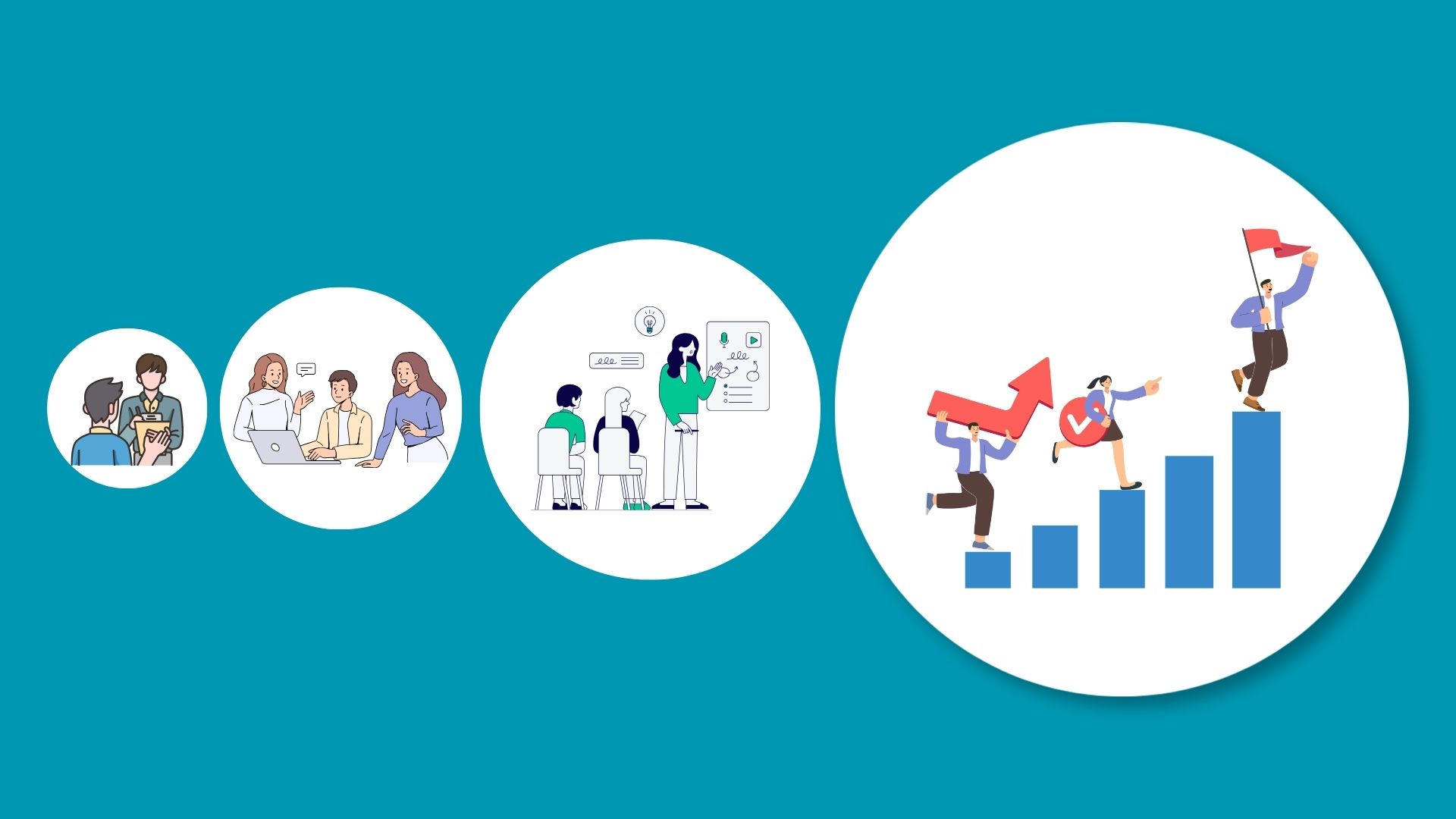
Building an Offshore Team in Nepal: The 90-Days Guidebook
What to expect, avoid, and focus on when building a productive offshore team in Nepal within 90 days
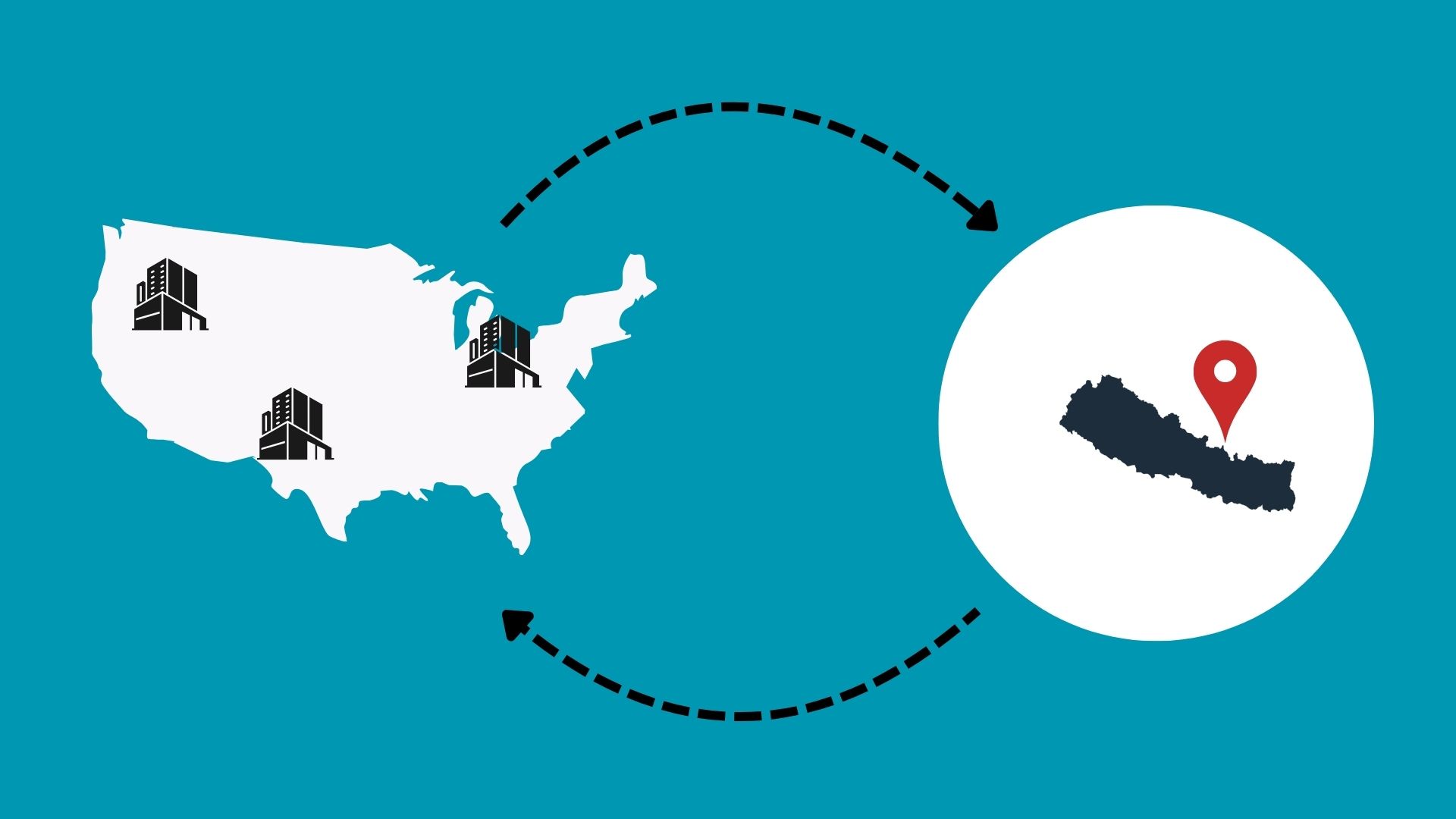
Build Your Dedicated Engineering Team in Nepal Without Hiring Freelancers
How American companies can build stable, high-performing engineering teams in Nepal without the risks of freelancers or local entity setup